
 October
21
Tags
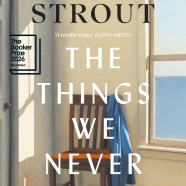
The Things We Never Say by Elizabeth Strout
At ten, I was climbing The Magic Faraway Tree, blissfully unaware of what lay ahead. At fifteen, I jumped a few gears to Flowers in the Attic and then a couple more to Christiane F. At twenty, it was The World According to Garp and never enough Margaret Atwood. My thirties were a blur of What to Expect When You’re Expecting before Jonathan Franzen lurched me into the messy reality of my forties with Freedom.
And now, at 54, with a few more decades, little triumphs, disappointments and countless books under my belt, I think The Things We Never Say by Elizabeth Strout might just be the defining book of my fifties.
This book moved me deeply.
The Things We Never Say tells the story of Artie Dam, a 57-year-old history teacher living in coastal Massachusetts with his wife. Artie has a great life by almost every measure. He’s a respected teacher and devoted father who loves sailing and catching up with friends. Yet beneath this reassuringly ordinary existence, Artie is starting to lose his joy in living. He doesn’t know what people really think of him anymore, doesn’t recognise himself in otherwise familiar situations and has stopped sharing stories like he used to.
Meanwhile, it’s 2024 and America is heading towards another presidential election. Politics is finding its way into every corner of life and Artie is struggling to keep up. Parents are questioning how he teaches history, students are speaking differently and friendships that have survived for decades are starting to look a little fragile.
Just as Artie is struggling to make sense of these things, he discovers a secret someone close to him has been keeping.
Bookclubs all over the world are inhaling The Things We Never Say right now. In fact, my own little club discussed it last week. At the end of the night, we went around the table and almost everyone had a different view of what the book was about. Answers ranged from secrets to loneliness, hope, ordinary people, melancholia and death. We eventually agreed what we took from the book probably said as much about us, and where we were in our own lives, as it did about the story itself.
Which brings me back to my opening. Whereas my earlier reading was largely about discovering the world, I think The Things We Never Say is about coming to terms with it.
My two cents? Don’t read this book for the plot or the language. Read it for the masterful way Strout uses just a handful of ordinary characters to explore the inner workings of a middle-aged mind, leaving enough unsaid for each of us to find something of ourselves in the story.

